
Loop MineSpider Guide
Survive the explosive crawler—including the detonations that almost happen.
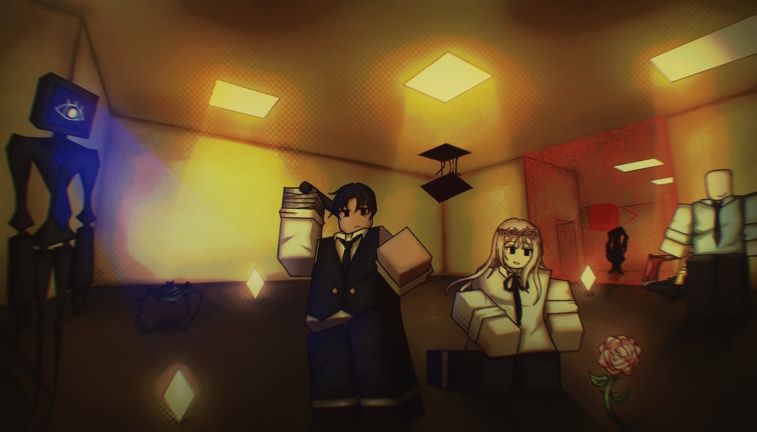
MineSpider is Loop [ALPHA]’s explosive pressure entity: a crawler that can end a promising day in one bad commit. Unlike Smilers, you do not “out-stun” the problem with a single branded interrupt badge. Instead, Alpha teaches you through Close Call—survive a MineSpider that failed to explode—that detonations have tells, failure states, and recoverable near-misses if you respect spacing.
This page explains the working threat model, what Close Call implies, how to path around blast risk in solo and co-op (up to 30 players), and how MineSpider interacts with the rest of the Entities Hub roster. Loop has been Alpha since 21 August 2026; treat every tip as current-best practice, not frozen balance.
Confirmed facts
- MineSpider can explode.
- Close Call is awarded when you survive a MineSpider that failed to explode.
- The wider loop still revolves around flashlights, coins, the upgrades/items shop, EXIT escapes, and Day milestones at 5 / 10 / 25 / 50.
Those points are enough to build a serious survival guide without inventing fake attack names.
Threat model
Think of MineSpider as area denial with a timer, not a fair duel:
- Presence — Once MineSpider is in play, every hallway becomes a question of width, exits, and whether teammates are stacked.
- Detonation risk — Explosions punish greed: last-second coin grabs, tunnel vision on Smiler chases, and clumped co-op piles.
- Failed detonations — Close Call exists because not every wind-up finishes. Surviving the dud still requires you to have already taken a safe angle—standing inside the blast radius “hoping it fails” is not a strategy.
- Follow-up danger — A failed explosion is not a free pass to AFK. Reset spacing, re-check flashlight coverage, and resume the EXIT plan.
How Close Call should change your play
Players often misread Close Call as a luck badge. Read it as a spacing exam:
- You were close enough for the fail state to matter.
- You were far enough—or angled well enough—to live.
- You stayed composed after the scare instead of sprinting into the next threat.
Farming Close Call on purpose is optional flair. Learning the geometry that makes Close Call possible is mandatory if you want Day 25 and Day 50 pushes.
Solo survival checklist
- Hear / see early — Do not open every optional pocket when you already suspect explosive pressure.
- Keep an escape lane — Never coin-check a dead-end with MineSpider behind you.
- Flashlight honesty — Darkness makes blast telegraphs harder to read; keep light online before you push. Economy advice lives on the items and upgrades priority page.
- One threat at a time — If a Smiler is chasing you into MineSpider range, break lateral—do not kite both into the same cell.
- After a dud — Take the Close Call moment, then immediately reassess Standing Man angles and anomaly interrupts.
Co-op callouts
Large lobbies amplify MineSpider because bodies cluster naturally around loot and shop decisions.
- Assign a short callout: “Spider wind-up,” “clear the hall,” “dud—reset.”
- Spread before you greed. Three players stacked on one coin node is how one explosion becomes three deaths.
- Peel Smilers away from MineSpider, not through it. Stun value from how to stun Smilers is wasted if the stun happens inside a blast lane.
- Nominate one player to watch Standing Man sightlines while others reset after a near-miss—idle killers punish post-panic tunnel vision.
- If PopUp.exe fires during a spider moment, decide the interrupt order out loud: anomaly failure into Blue Screen (OOOOH MY PC) can be worse than giving MineSpider one more second of space.
Synergies with the rest of the loop
- Coins & shop — Early mobility and vision purchases reduce how often you are forced to stand still in spider territory. See items and upgrades.
- EXIT — Explosive deaths late in a day feel worse because escape was close. If MineSpider owns the only corridor to EXIT, wait the pattern out or reroute; do not hero-frame the door.
- Day milestones — Deeper Days (10 / 25 / 50) raise the chance you will see MineSpider plus stacked Smilers plus anomaly interrupts in the same stretch. Read the entity danger tier list for how we currently rank that mix.
Common mistakes
- Treating every wind-up as guaranteed death or guaranteed dud—both extremes get you killed.
- Celebrating Close Call in the blast lane instead of leaving.
- Dragging the whole co-op stack into “one more room” after a near-miss.
- Ignoring flashlight and upgrade economy until an explosion teaches the lesson the hard way.
- Pathing Smiler kites across MineSpider as if chasers and bombs were separate games.
Related pages
- Entities Hub · Smilers · Standing Man · Anomalies
- Entity tiers · Tier List Hub · Items & upgrades
- Getting Started · Guides Hub · How to stun Smilers
- Codes · Updates
Respect the blast radius, learn what a failed detonation looks like under pressure, and keep MineSpider from turning your best Day into a highlight reel for the wrong reasons.
Frequently Asked Questions
Quick answers to the most common questions.
What is the Close Call badge?
Close Call is earned by surviving a MineSpider that failed to explode. It confirms dud detonations exist and rewards good spacing during the near-miss.
Can MineSpider explode?
Yes. Treat MineSpider as an explosive threat first. Play for lanes and distance; never assume a wind-up will fail.
How should co-op teams handle MineSpider?
Spread out, call wind-ups early, peel other entities away from the spider, and reset after duds instead of stacking on the same loot node.
Where does MineSpider rank versus Smilers?
Explosive area denial often outranks a single stunnable chaser in panic value, but stacked Smilers plus spider is worse than either alone. See the entity tier list for the Alpha ranking.